Tired After 50? 3 Habits That May Be Draining Your Energy
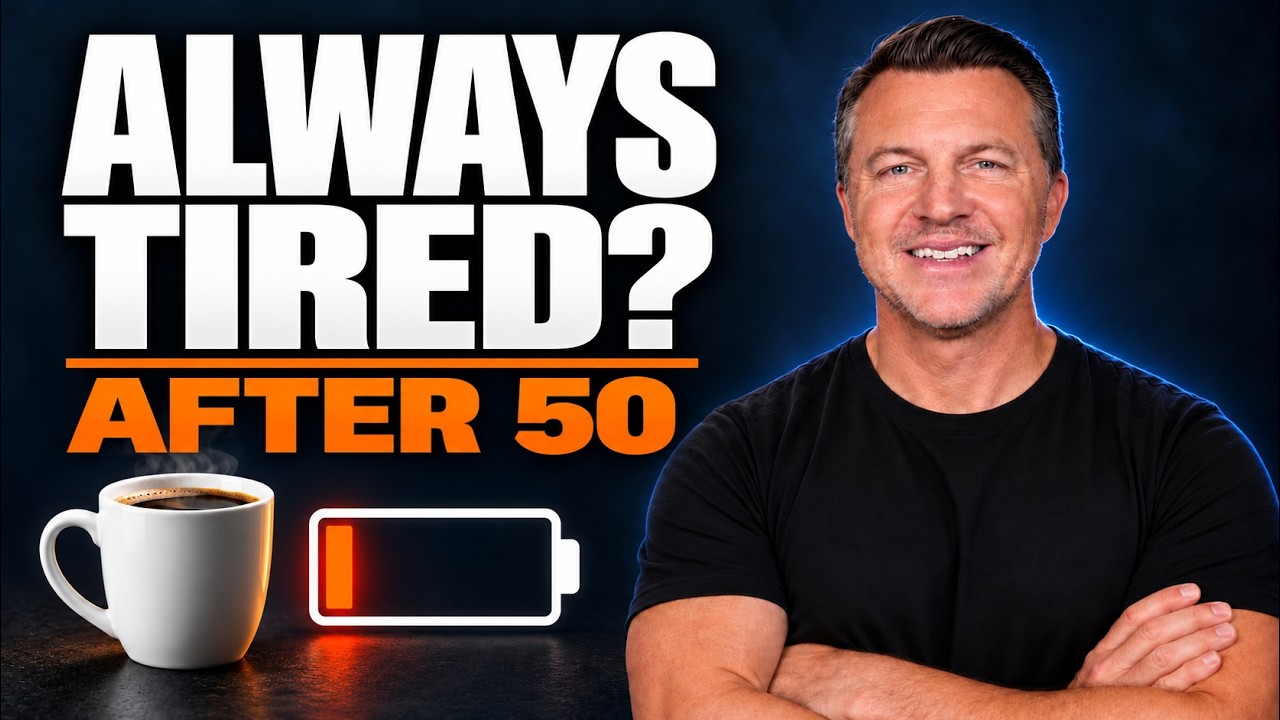
If you are tired after 50 and running on coffee all day, do not automatically assume getting older explains it.
You might be squeezing sleep into whatever time is left, fitting a workout into a day spent sitting, and grabbing lunch between meetings. Then you look for something to give you more energy.
Before adding another supplement or another demanding workout, I want to look at three habits that may be contributing to the problem. These are places to investigate—not a diagnosis or a promise that changing them will fix persistent fatigue.
I’m Joe: 50, married, four kids, and a full-time job. Function Over 50 is where I stopped guessing about my health and started measuring it, showing my work as I go.
1. Using caffeine to cover for sleep you never scheduled
When I started measuring my sleep, I was averaging about 6.5 hours a night. Work got done, the family got taken care of, and sleep got whatever was left.
Coffee can make the next morning feel more manageable. But feeling more awake is not the same as replacing the sleep you missed.
As you stay awake, adenosine helps build the pressure to sleep. Caffeine blocks the receptors that respond to it. Think of turning down a warning signal, not fixing why it came on. The NIH’s explanation of the sleep/wake cycle describes how adenosine and caffeine interact.
Timing matters, too. The National Heart, Lung, and Blood Institute notes that caffeine’s effects can last up to eight hours. An afternoon cup may help with the last meeting while making tonight’s sleep harder. Individual sensitivity and the amount you drink matter; eight hours is not a universal cutoff that guarantees good sleep.
Start with your wake-up time
If your alarm goes off at 6 a.m. and you get into bed at 11:30 p.m., you have allowed only 6.5 hours—even before accounting for time spent falling asleep or awake during the night.
The CDC recommends seven or more hours for adults ages 18–60, seven to nine hours for ages 61–64, and seven to eight hours for adults 65 and older. Sleep quality matters alongside duration.
- Work backward from the time you need to wake up and protect enough time for sleep.
- Choose a repeatable evening stopping point instead of hoping everything will be finished.
- Move late caffeine earlier and notice whether your sleep changes.
- If you allow enough time but still regularly sleep poorly, discuss it with your healthcare provider.
I explored my own short nights in Sleep After 50: What 6.5 Hours a Night May Be Costing You.
The takeaway is not that coffee is bad. It is to stop asking coffee to do the job of sleep.
2. Having an active workout inside an inactive day
An hour in the gym is valuable. It also does not make the hours sitting at work, in the car, or on the couch disappear.
One interesting finding is that brief movement breaks may help you feel less tired, even though you are doing something rather than resting.
A 2016 randomized crossover pilot study included 19 adults ages 45–75 who had overweight or obesity. Each participant completed a prolonged-sitting condition and a condition with three minutes of light walking every 30 minutes during the five-hour intervention. Self-reported fatigue was lower with the walking breaks.
This was a small, short-term laboratory study. It did not establish a treatment for chronic fatigue, show that everyone over 50 will respond the same way, or find a statistically significant improvement in cognitive performance. It does give me a practical reason to look beyond the workout itself.
Make movement easier to repeat
I use a walking mat at work because having it available makes movement easier to fit into my office day and helps me work toward my step goals.
If that setup interests you, here is the Amazon walking-pad option linked in my video. You do not need to buy anything: a short walk down the hallway can serve the same purpose.
Affiliate disclosure: As an Amazon Associate, I earn from qualifying purchases. If you purchase through this link, I may earn a commission at no additional cost to you.
A reminder between tasks can make a few minutes of comfortable walking repeatable. The study’s three-minute breaks every half hour are one example, not a requirement to force onto every schedule. Choose movement you can do safely; do not push through symptoms or a significant worsening of fatigue.
3. Trying to fuel a demanding day without a meal plan
Picture a morning of coffee and meetings, lunch pushed back, and a snack grabbed because it is convenient. Or you are trying to lose weight and keep shrinking meals without considering how much you are asking your body to do.
Eating too little can contribute to fatigue. MedlinePlus lists malnutrition among possible causes and recommends a balanced diet as part of fatigue self-care. That does not mean everyone needs more calories, and it does not prove that food is the cause of your tiredness.
It also does not mean every afternoon slump is a “sugar crash.” The CDC’s NIOSH explains the natural afternoon dip in wakefulness, when circadian wakefulness signals dip and sleep pressure builds. I do not want to diagnose the cause from the time on the clock.
Plan tomorrow’s lunch before you are rushed
Instead of starting with an energy supplement, decide what tomorrow’s lunch will be and give yourself time to eat it.
That might mean chicken or tofu, rice or potatoes, and vegetables, with portions appropriate for your needs. Leftovers or a takeout meal chosen ahead of time can work, too. This is not a rule to remove carbohydrates, eat an enormous lunch, or hit a universal calorie target.
The goal is to put adequate food into the schedule. A more alert feeling from coffee does not supply the nourishment you missed.
For the protein side of meal planning, I have also covered how much protein you need to build muscle after 50.
Make tomorrow’s lunch easier
The free Function Over 50 High Protein Playbook offers practical meal ideas. Use it to make a plan before you are hungry and rushed—not as a treatment for unexplained fatigue.
When tiredness needs more than a habit change
Persistent or unexplained fatigue deserves a conversation with a healthcare professional. Do not assume it is simply age, a missed workout, or a lunch problem.
NIH MedlinePlus identifies many possible causes, including anemia, thyroid disease, sleep apnea, other illnesses, and medication effects. If you have been feeling tired for weeks, contact your provider. You do not need to finish a lifestyle experiment before asking for help.
If activity significantly worsens your symptoms, do not respond by forcing more exercise. Bring that pattern to your healthcare provider, too. New severe symptoms such as chest pain or difficulty breathing need urgent medical attention.
Choose one change you can sustain
I do not need another vague promise to “be healthier.” I need a change I can actually repeat: an evening stopping time, regular movement breaks, or a lunch planned ahead.
Pick one and keep a simple record of sleep timing, caffeine, meals, movement, and how you feel. A pattern can help you have a more useful conversation with your healthcare provider, but it is not a diagnosis or proof of cause and effect.
The question I want to keep asking is whether I am taking care of myself or simply getting better at pushing through.
I do not just want enough energy to finish work and collapse on the couch. I want something left for my family and the things I actually enjoy.
Sources and further reading
- NIH NHLBI: your sleep/wake cycle and adenosine
- NIH NHLBI: healthy sleep habits and caffeine timing
- CDC: sleep duration, quality, and sleep disorders
- Wennberg and colleagues, 2016: walking breaks, fatigue, and cognition
- CDC NIOSH: afternoon dip in wakefulness
- NIH MedlinePlus: fatigue causes and self-care
- NIH MedlinePlus: when persistent fatigue needs evaluation
This article is educational and shares my research and experience. I am not a doctor, dietitian, or trainer. It is not personalized medical advice. Consult a qualified healthcare professional before beginning or changing an exercise program, diet, or supplement regimen, especially if you have symptoms or a health condition.